

Journal of Shanghai Jiao Tong University ›› 2026, Vol. 60 ›› Issue (7): 1076-1086.doi: 10.16183/j.cnki.jsjtu.2024.462
• New Type Power System and the Integrated Energy • Previous Articles Next Articles
YAN Yi1, PING Jian2,3( ), YAN Zheng1, JIA Qiangang4
Received:2024-11-15
Revised:2025-01-20
Accepted:2025-04-15
Online:2026-07-28
Published:2026-08-05
Contact:
PING Jian
E-mail:ppjj1994@sjtu.edu.cn
CLC Number:
YAN Yi, PING Jian, YAN Zheng, JIA Qiangang. Calculation Method of Dynamic Network Usage Charge for Distributed Energy Nearby Trading with Rights and Responsibilities Matching[J]. Journal of Shanghai Jiao Tong University, 2026, 60(7): 1076-1086.
Add to citation manager EndNote|Ris|BibTeX
URL: https://xuebao.sjtu.edu.cn/EN/10.16183/j.cnki.jsjtu.2024.462

Fig.1
Recoverable investment in transmission and distribution assets


Fig.2
Framework of bilevel optimization problem of dynamic network usage charge


Fig.3
Electricity trading results including peer-to-peer energy trading

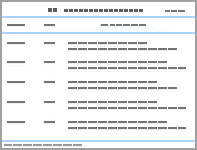
Tab.1
Data of users participating in distributed energy nearby trading
| 用户 | 转移前最大负荷/kW | |||
|---|---|---|---|---|
| F | 0.45 | 0.25 | 790.6 | 960 |
| G | 0.50 | 0.30 | 265.4 | 350 |
| H | 0.55 | 0.35 | 433.2 | 530 |

Fig.4
Dynamic network usage charges of a voltage level of 10 kV


Fig.5
Net load curves in different market environments


Fig.6
Typical user load curves

Tab.2
Peak-to-valley difference data of net load curves
| 交易情况 | 峰谷差/kW | 峰谷差率 |
|---|---|---|
| 动态过网费下参与交易 | 1081.7 | 0.1557 |
| 静态过网费下参与交易 | 1188.3 | 0.1710 |
| 不参与交易 | 1944.3 | 0.2651 |

Fig.7
Utilization rate of typical lines

Tab.3
Comparison of different methods for dynamic network usage charge
| 过网费测算方法 | 回收的输配电 资产投资费/ 万元 | 净负荷曲线 峰谷差/kW | 峰谷 差率 |
|---|---|---|---|
| 所提静态过网费基准 | 0.4469 | 1188.3 | 0.1710 |
| 所提动态过网费 | 0.4470 | 1081.7 | 0.1557 |
| 文献[24]中测算方法 | 0.4336 | 1106.3 | 0.1607 |
| 文献[26]中测算方法 | 0.0438 | 1096.6 | 0.1578 |
| [1] | 林俐, 许冰倩, 王皓怀. 典型分布式发电市场化交易机制分析与建议[J]. 电力系统自动化, 2019, 43(4): 1-8. |
| LIN Li, XU Bingqian, WANG Haohuai. Analysis and recommendations of typical market-based distributed generation trading mechanisms[J]. Automation of Electric Power Systems, 2019, 43(4): 1-8. | |
| [2] | 关立, 黄国栋, 吴锋, 等. 面向高比例分布式光伏的电力调度及市场化机制研究[J]. 浙江电力, 2022, 41(8): 10-16. |
| GUAN Li, HUANG Guodong, WU Feng, et al. Research on power dispatching and marketization mechanism for high-proportion distributed photovoltaic[J]. Zhejiang Electric Power, 2022, 41(8): 10-16. | |
| [3] | KIRAN I K, LAXMI A J. Power flow tracing based contract path method for transmission pricing[J]. Advances in Natural & Applied Sciences, 2015, 9(15):32-38. |
| [4] |
ILIĆ M D, YOON Y T, ZOBIAN A, et al. Toward regional transmission provision and its pricing in New England[J]. Utilities Policy, 1997, 6(3): 245-256.
doi: 10.1016/S0957-1787(97)00020-9 URL |
| [5] |
HAPP H H. Cost of wheeling methodologies[J]. IEEE Transactions on Power Systems, 1994, 9(1): 147-156.
doi: 10.1109/59.317547 URL |
| [6] | 肖江, 刘瑞丰, 荆朝霞, 等. 英国改进的输电过网费定价机制分析[J]. 中国电力, 2019, 52(2): 53-60. |
| XIAO Jiang, LIU Ruifeng, JING Zhaoxia, et al. Analysis on improved transmission use of system charging methodology in UK[J]. Electric Power, 2019, 52(2): 53-60. | |
| [7] |
PING J, LI D, YAN Z, et al. A trusted peer-to-peer market of joint energy and reserve based on blockchain[J]. Electric Power Systems Research, 2023, 214: 108802.
doi: 10.1016/j.epsr.2022.108802 URL |
| [8] |
PING J, YAN Z, CHEN S J. A privacy-preserving blockchain-based method to optimize energy trading[J]. IEEE Transactions on Smart Grid, 2023, 14(2): 1148-1157.
doi: 10.1109/TSG.2022.3198165 URL |
| [9] | 林佩伶, 江岳文. 计及过网费与线损费用的分布式发电交易优化[J]. 供用电, 2023, 40(11): 84-93. |
| LIN Peiling, JIANG Yuewen. Transaction optimization of distributed energy considering network fees and line loss expenses[J]. Distribution & Utilization, 2023, 40(11): 84-93. | |
| [10] | 沈泽宇, 陈思捷, 严正, 等. 基于区块链的分布式能源交易技术[J]. 中国电机工程学报, 2021, 41(11): 3841-3850. |
| SHEN Zeyu, CHEN Sijie, YAN Zheng, et al. Distributed energy trading technology based on blockchain[J]. Proceedings of the CSEE, 2021, 41(11): 3841-3850. | |
| [11] |
PAUDEL A, SAMPATH L P M I, YANG J W, et al. Peer-to-peer energy trading in smart grid considering power losses and network fees[J]. IEEE Transactions on Smart Grid, 2020, 11(6): 4727-4737.
doi: 10.1109/TSG.5165411 URL |
| [12] |
CHANG X Y, XU Y L, GUO Q L, et al. A Byzantine-resilient distributed peer-to-peer energy management approach[J]. IEEE Transactions on Smart Grid, 2023, 14(1): 623-634.
doi: 10.1109/TSG.2022.3185140 URL |
| [13] |
WEI X, XU Y L, SUN H B, et al. Peer-to-peer energy trading of carbon-aware prosumers: An online accelerated distributed approach with differential privacy[J]. IEEE Transactions on Smart Grid, 2024, 15(6): 5595-5609.
doi: 10.1109/TSG.2024.3398041 URL |
| [14] |
RAZAVI S M, AREFIZADEH S, BOLOUKI S, et al. P2P trade with prosumers’ actual approximate utility functions within near-potential games framework[J]. IEEE Transactions on Smart Grid, 2024, 15(6): 5923-5938.
doi: 10.1109/TSG.2024.3439402 URL |
| [15] | NOORFATIMA N, JUNG J, ONEN A, et al. Bilevel peer-to-peer energy trading to maintain network quality and benefit distribution[J]. IEEE Transactions on Applied Superconductivity, 2024, 34(8): 5401105. |
| [16] |
文安, 刘年, 黄维芳, 等. 英国电力市场的价格机制分析[J]. 南方电网技术, 2015, 9(1): 1-6.
doi: 10.13648/j.cnki.issn1674-0629.2015.01.001 |
|
WEN An, LIU Nian, HUANG Weifang, et al. Analysis of the price mechanism of the UK electricity market[J]. Southern Power System Technology, 2015, 9(1): 1-6.
doi: 10.13648/j.cnki.issn1674-0629.2015.01.001 |
|
| [17] |
吴磊, 韩冬, 毛贵江, 等. 适应分布式发电市场化交易的过网费计算方法[J]. 上海交通大学学报, 2023, 57(7): 887-898.
doi: 10.16183/j.cnki.jsjtu.2022.061 |
| WU Lei, HAN Dong, MAO Guijiang, et al. Calculation method of network usage charge for market-oriented trading in distributed generation market[J]. Journal of Shanghai Jiao Tong University, 2023, 57(7): 887-898. | |
| [18] | 邱辰. 可再生能源分布式发电市场化交易试点 “过网费” 价格机制分析与建议[J]. 水力发电, 2022, 48(9): 104-107. |
| QIU Chen. Analysis and suggestions on the pricing mechanism of transmission and distribution fee of pilot distributed power generation nearby trading[J]. Water Power, 2022, 48(9): 104-107. | |
| [19] |
朱廷虎, 刘洋, 许立雄, 等. 基于区块链技术的微电网群分布式电能交易模式[J]. 电力建设, 2022, 43(6): 12-23.
doi: 10.12204/j.issn.1000-7229.2022.06.002 |
|
ZHU Tinghu, LIU Yang, XU Lixiong, et al. Research on distributed electricity transaction mode of microgrid cluster applying blockchain technology[J]. Electric Power Construction, 2022, 43(6): 12-23.
doi: 10.12204/j.issn.1000-7229.2022.06.002 |
|
| [20] |
SÜTÖ B, DIVÉNYI D P. Local electricity market design utilizing network state dependent dynamic network usage tariff[J]. IEEE Access, 2023, 11: 19247-19258.
doi: 10.1109/ACCESS.2023.3249113 URL |
| [21] | 吴治国, 刘继春, 张帅, 等. 多售电主体点对点交易模式及其动态过网费机制[J]. 电力系统自动化, 2021, 45(19): 100-108. |
| WU Zhiguo, LIU Jichun, ZHANG Shuai, et al. Peer-to-peer transaction model of multiple power sellers and its dynamic network fee mechanism[J]. Automation of Electric Power Systems, 2021, 45(19): 100-108. | |
| [22] | 王蓓蓓, 吴文强, 张汀荟, 等. 考虑动态过网费的分布式电能交易与配电网运营联合交互[J]. 电力系统自动化, 2023, 47(18): 91-100. |
| WANG Beibei, WU Wenqiang, ZHANG Tinghui, et al. Joint interaction between distributed power trading and distribution network operation considering dynamic network tariffs[J]. Automation of Electric Power Systems, 2023, 47(18): 91-100. | |
| [23] | 姚昊天, 向月, 刘俊勇. 基于过网费动态更新的分布式电源多主体协同规划方法[J]. 电力系统自动化, 2021, 45(17): 70-78. |
| YAO Haotian, XIANG Yue, LIU Junyong. Multi-agent collaborative planning method for distributed generators based on dynamic updating of network tariffs[J]. Automation of Electric Power Systems, 2021, 45(17): 70-78. | |
| [24] |
CUENCA J J, JAMIL E, HAYES B P. Revenue-based allocation of electricity network charges for future distribution networks[J]. IEEE Transactions on Power Systems, 2023, 38(2): 1728-1738.
doi: 10.1109/TPWRS.2022.3176186 URL |
| [25] | 张粒子. 我国输配电价改革中的机制建设和方法探索[J]. 价格理论与实践, 2016(2): 29-31. |
| ZHANG Lizi. Discussion on the mechanism construction of transmission and distribution electricity price reform in China[J]. Price (Theory & Practice), 2016(2): 29-31. | |
| [26] | 杨磊, 杨禹莎. 面向电动汽车充电运营商的动态阶梯过网费策略研究[J]. 电力与能源, 2024, 45(5): 544-549. |
| YANG Lei, YANG Yusha. Research on dynamic tiered network access fee strategy for electric vehicle charging operators[J]. Power & Energy, 2024, 45(5): 544-549. |
| [1] | DING Wenbin, LI Yutong. Coordinated Optimization Strategies for Integrated Energy Systems Considering Mobile Energy Storage Vehicles and Battery-Swapping Heavy Trucks [J]. Journal of Shanghai Jiao Tong University, 2026, 60(7): 1099-1109. |
| [2] | WANG Danhao, PENG Daogang, HUANG Dongmei, LIU Yu. Short-Term Wind and Solar Power Forecasting Method Based on Closed-Loop Empirical Mode Decomposition and Temporal Convolutional Feature Extraction [J]. Journal of Shanghai Jiao Tong University, 2026, 60(7): 1087-1098. |
| [3] | LIU Songyuan, FAN Feilong, PU Chuanqing, DOU Zhenlan, ZHANG Chunyan, CHEN Hongyin. Operational Target-Oriented Joint Parameter Optimization for Source-Load Power Forecasting in Park Integrated Energy System [J]. Journal of Shanghai Jiao Tong University, 2026, 60(7): 1065-1075. |
| [4] | ZHANG Yanzhi, CHEN Sijie, ZHENG Linfeng, LI Qingxin, ZHU Zhongyu, YAN Zheng. Capacity Configuration and Operation Method of Wind-Solar-Hydro-Storage Integrated Power Station Based on Hybrid Pumped Storage [J]. Journal of Shanghai Jiao Tong University, 2026, 60(7): 1055-1064. |
| [5] | LIU Hang, LI Canbing, LIU Jianzhe, WU Yuhang, SHI Minjie. Joint Scheduling Method for Peak and Frequency Regulation in Unit Commitment Using Battery Energy Storage Systems [J]. Journal of Shanghai Jiao Tong University, 2026, 60(7): 1045-1054. |
| [6] | ZHOU Lidan, ZHENG Hang, YU Tianyou, WANG Jie. Two-Stage Optimization Strategy Considering Ship Resilient Voyage Programming and Power Generation Scheduling [J]. Journal of Shanghai Jiao Tong University, 2026, 60(6): 892-903. |
| [7] | ZHAO Jiayi, HUANG Chunyi, WANG Chengmin, LI Kangping, LI Zhao, TIAN Zhuangmei. Frequency Regulation Trading Bidding Dispatch for Internet Data Center with Energy Storage Considering Physical-Virtual Energy Storage Coupling [J]. Journal of Shanghai Jiao Tong University, 2026, 60(6): 871-881. |
| [8] | CAI Muliang, FAN Ruixiang, HE Guidong, ZHU Yan, CHE Liang. Regulation Method for Active Distribution Network of Electric Vehicles Considering User Travel Uncertainty [J]. Journal of Shanghai Jiao Tong University, 2026, 60(6): 882-891. |
| [9] | WANG Xiaobo, JIA Yongyong, LI Zheng, LI Wenbo, JIA Yuqiao, LI Huarui, ZHU Xinyao. A Microgrid Source-Storage Optimization Method Considering Full-Cycle Chronological Order Characteristics [J]. Journal of Shanghai Jiao Tong University, 2026, 60(4): 642-651. |
| [10] | YUAN Kai, WANG Feifei, ZHANG Shenxi, SUN Chongbo, SONG Yi, HOU Ruosong, CHENG Haozhong. Distributed Optimization of Distribution Network Considering Regulation of 5G Base Station Communication Load and Backup Energy Storage [J]. Journal of Shanghai Jiao Tong University, 2026, 60(4): 628-641. |
| [11] | ZHOU Yongwang, XU Cancheng, CAI Zhengtong, ZHAO Zhuoli, NI Qiang. Optimization of Integrated Energy System with Joint Operation of Flexible Equipment Considering Reward-Penalty Carbon Trading [J]. Journal of Shanghai Jiao Tong University, 2026, 60(4): 617-627. |
| [12] | WU Kailang, LI Yinxiao, LI Li, ZHANG Qinglei, GUO Hongye. Optimization Operation Strategy for Building-Based Virtual Power Plant Participation in Energy and Flexible Ramping Markets [J]. Journal of Shanghai Jiao Tong University, 2026, 60(4): 604-616. |
| [13] | WANG Xiaobo, JIA Yongyong, ZHU Xinyao, LI Zheng. A Full-Voyage Economic Dispatching Strategy of Ship Microgrid for Energy Management of Container Ships [J]. Journal of Shanghai Jiao Tong University, 2026, 60(4): 595-603. |
| [14] | FANG Ziwen, ZHOU Yongzhi, DAN Yangqing, WEI wei. Resilience Improvement Strategy of Distribution Network in Ice Disaster Considering Microgrids Coordination [J]. Journal of Shanghai Jiao Tong University, 2026, 60(4): 584-594. |
| [15] | LI Jie, LIANG Wenteng, LIU Yuheng, LI Lanqing, HU Qinran. Strategies of Virtual Power Plants Participating in Auxiliary Service Market Under Extreme Weather Conditions [J]. Journal of Shanghai Jiao Tong University, 2026, 60(4): 574-583. |
| Viewed | ||||||
|
Full text |
|
|||||
|
Abstract |
|
|||||
