

Journal of Shanghai Jiao Tong University ›› 2025, Vol. 59 ›› Issue (7): 983-994.doi: 10.16183/j.cnki.jsjtu.2023.420
• New Type Power System and the Integrated Energy • Previous Articles Next Articles
WANG Yaogang1, WANG Zheming1, LI Ke2, JIA Bowen1, YANG Hua1, YAN Wu3, LU Wu1( )
)
Received:2023-08-25
Revised:2023-09-11
Accepted:2023-09-18
Online:2025-07-28
Published:2025-07-22
Contact:
LU Wu
E-mail:wuluee@shiep.edu.cn
CLC Number:
WANG Yaogang, WANG Zheming, LI Ke, JIA Bowen, YANG Hua, YAN Wu, LU Wu. Characteristics of Surface Charge Accumulation on Direct Current GIL Insulators Under Different Dominant Mechanisms Considering Surface Trapping Effect[J]. Journal of Shanghai Jiao Tong University, 2025, 59(7): 983-994.
Add to citation manager EndNote|Ris|BibTeX
URL: https://xuebao.sjtu.edu.cn/EN/10.16183/j.cnki.jsjtu.2023.420
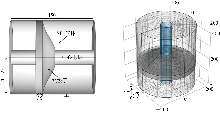
Fig.1
Simulation geometry model and mesh profile of computational domain (mm)
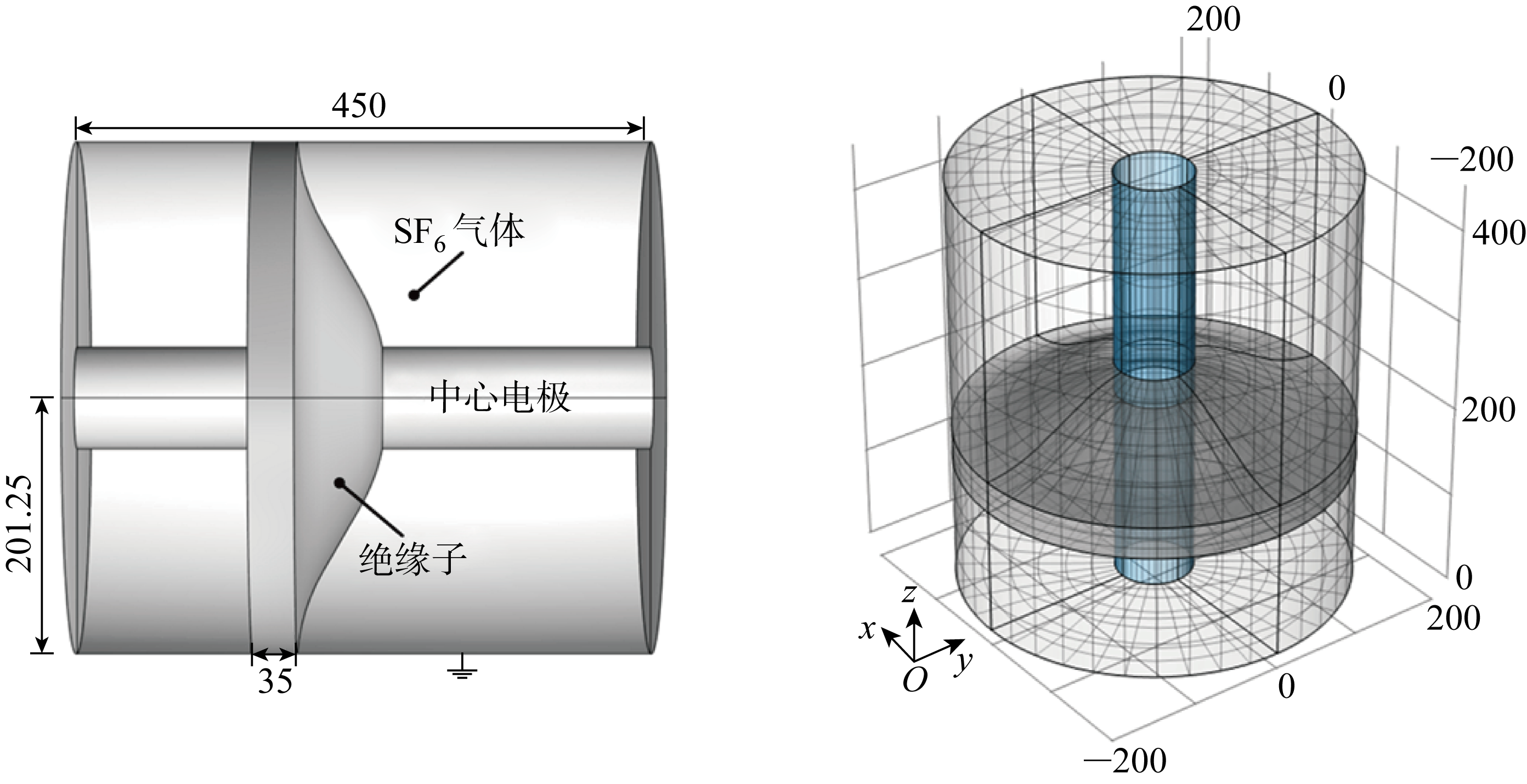
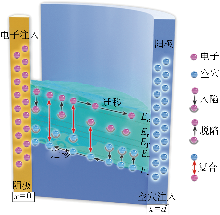
Fig.2
Schematic diagram of nonequilibrium carrier transport behavior on a solid surface
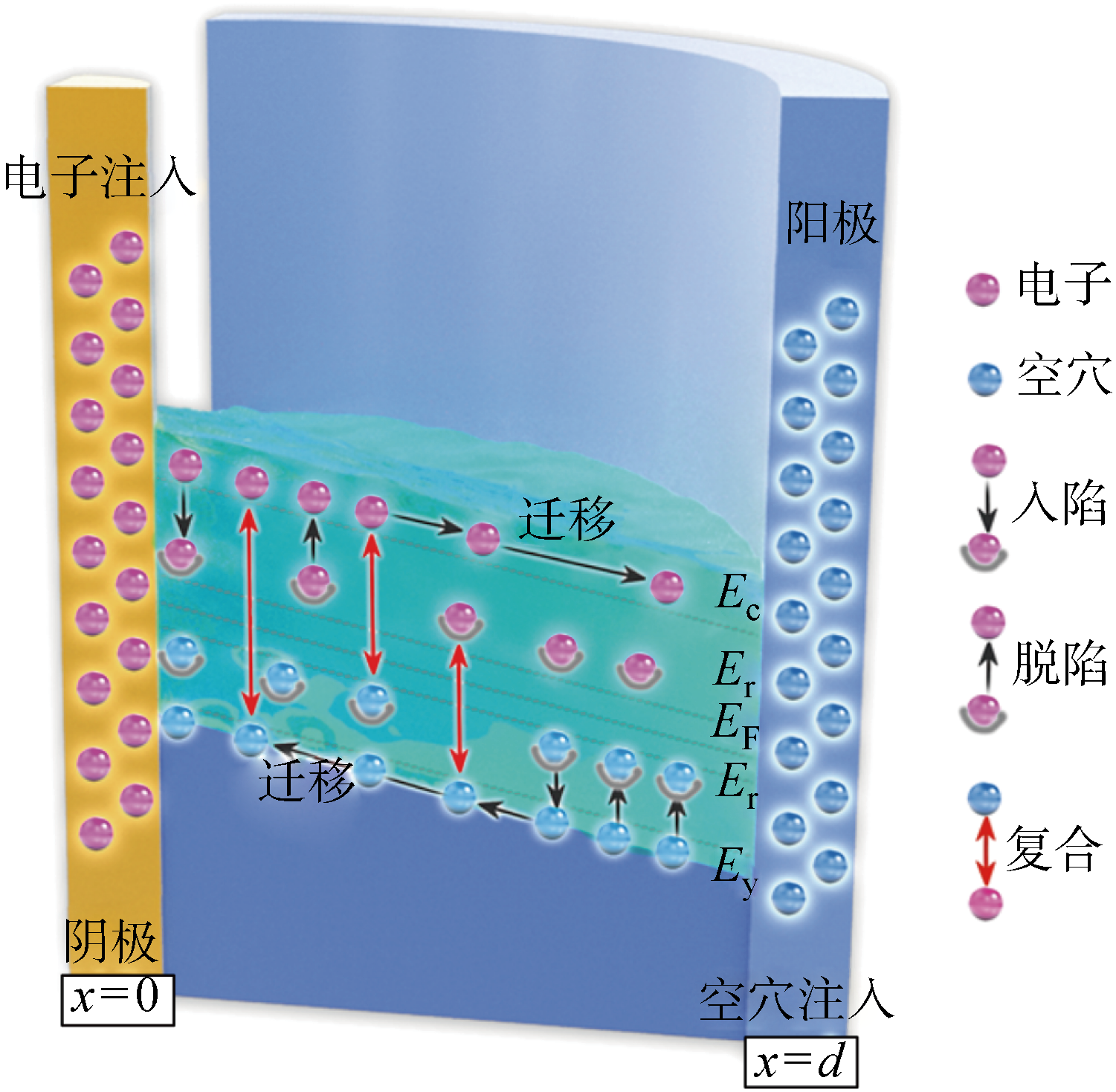
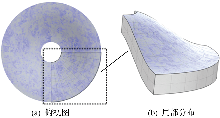
Fig.3
Schematic distribution of trap positioins along insulator surface obeying a Gaussian distribution
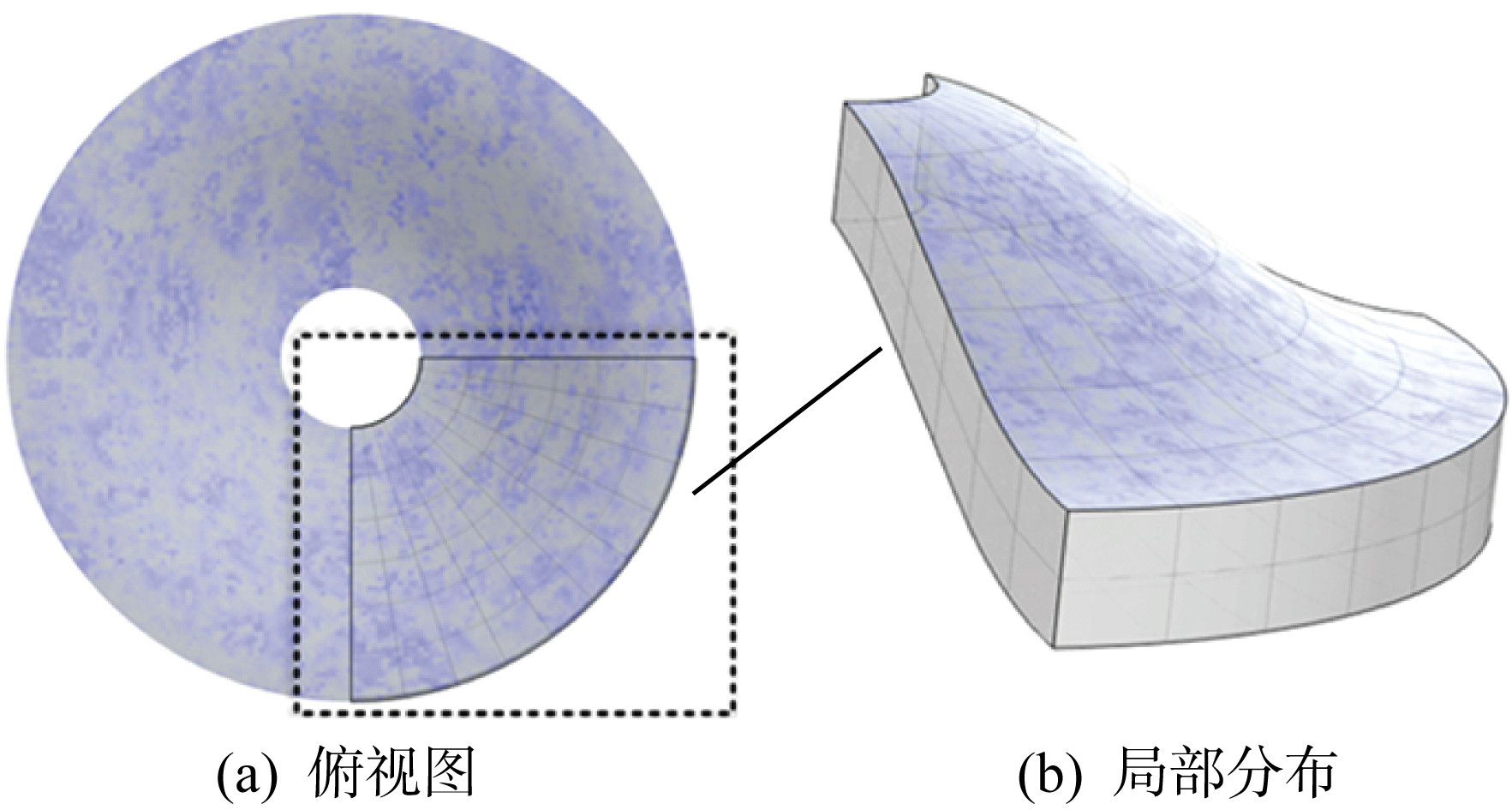
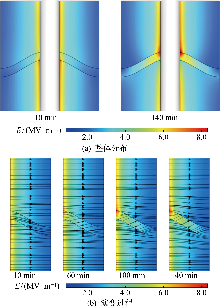
Fig.4
Evolution of electric field in a GIL system dominated by gas-phase charges
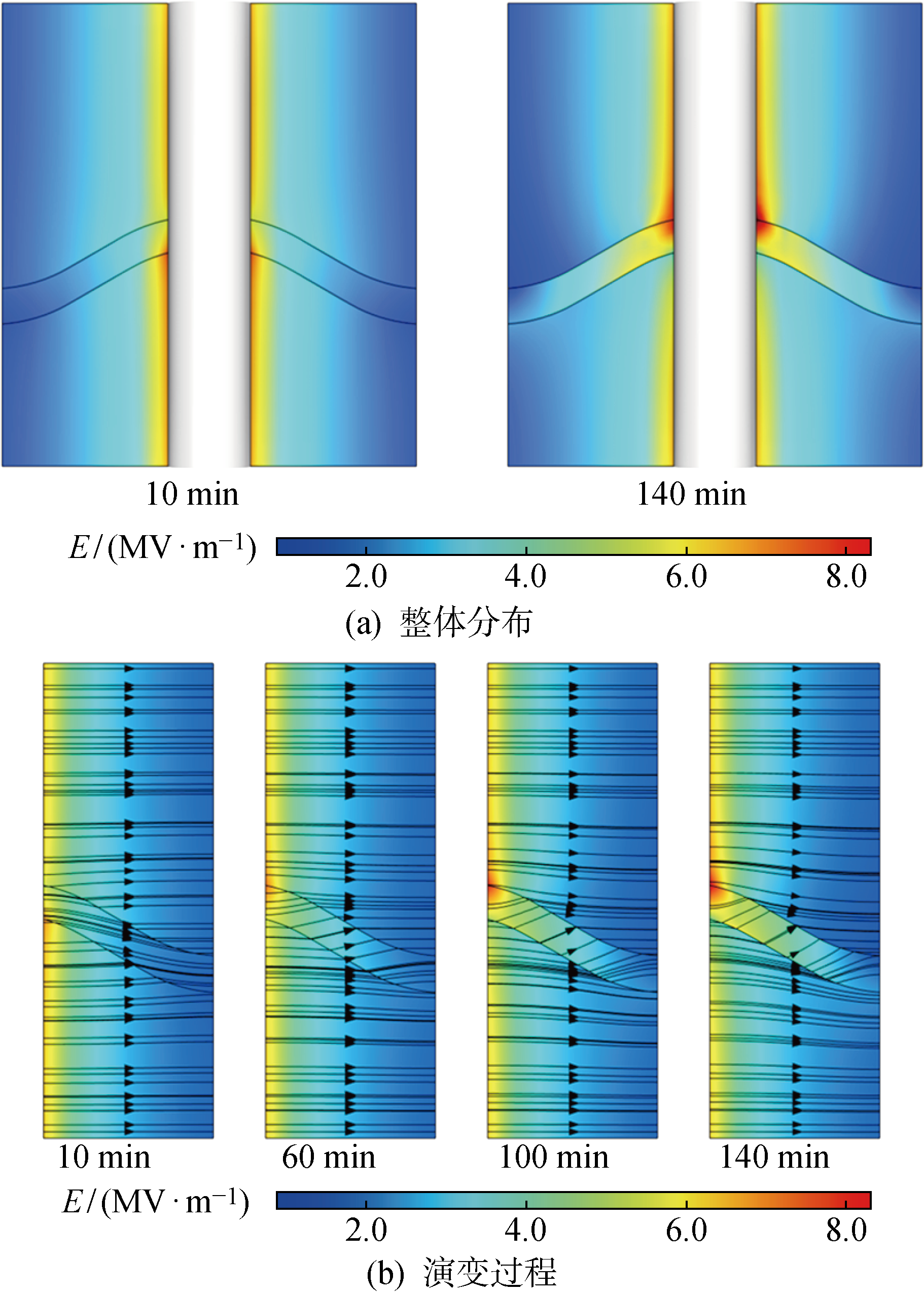
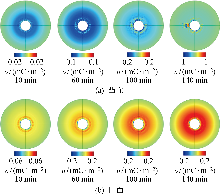
Fig.5
Evolution of charges on insulator surface dominated by gas-phase charges
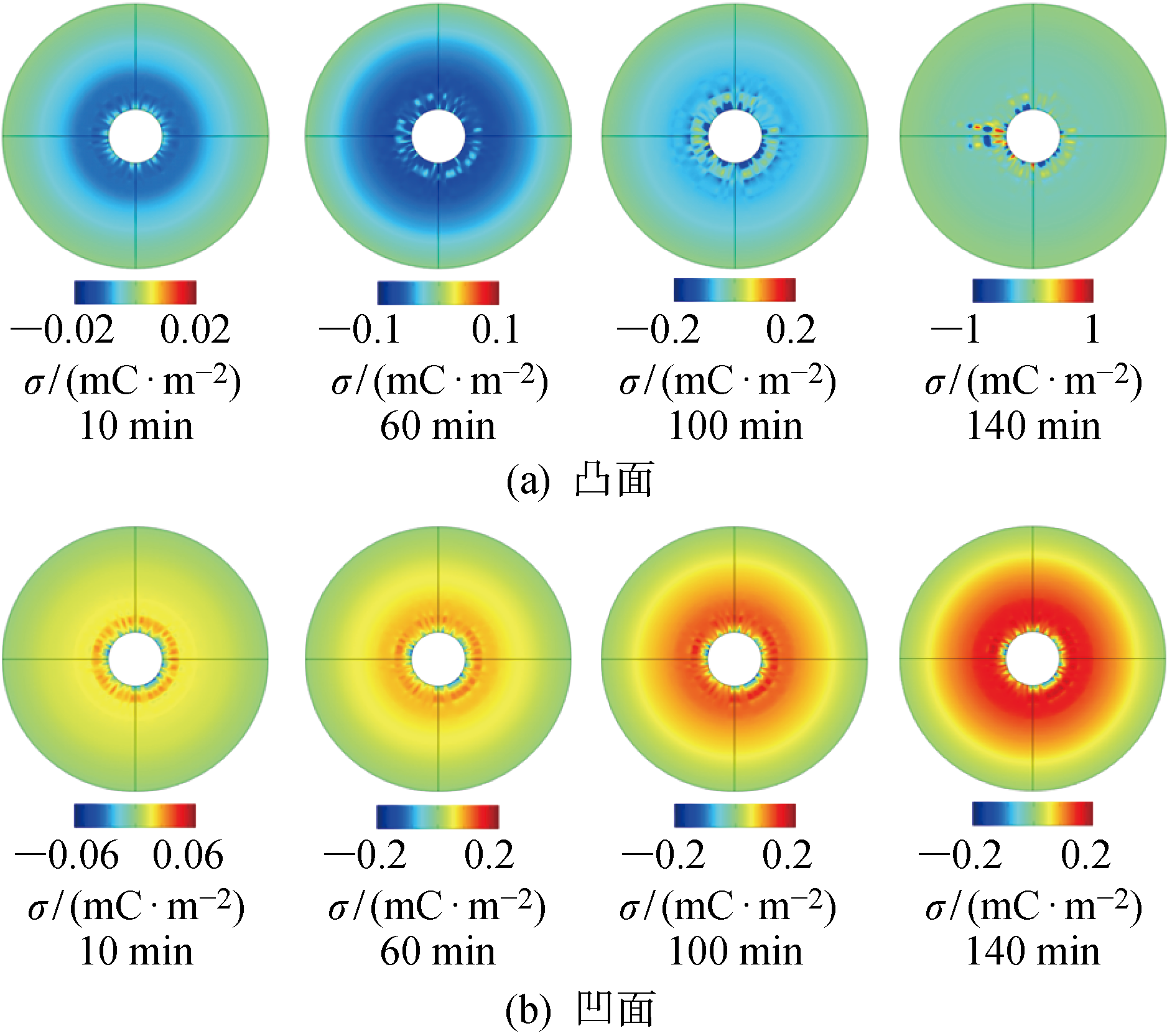
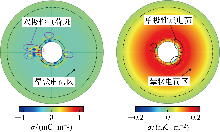
Fig.6
Charge accumulation pattern under domination of gas-phase charges
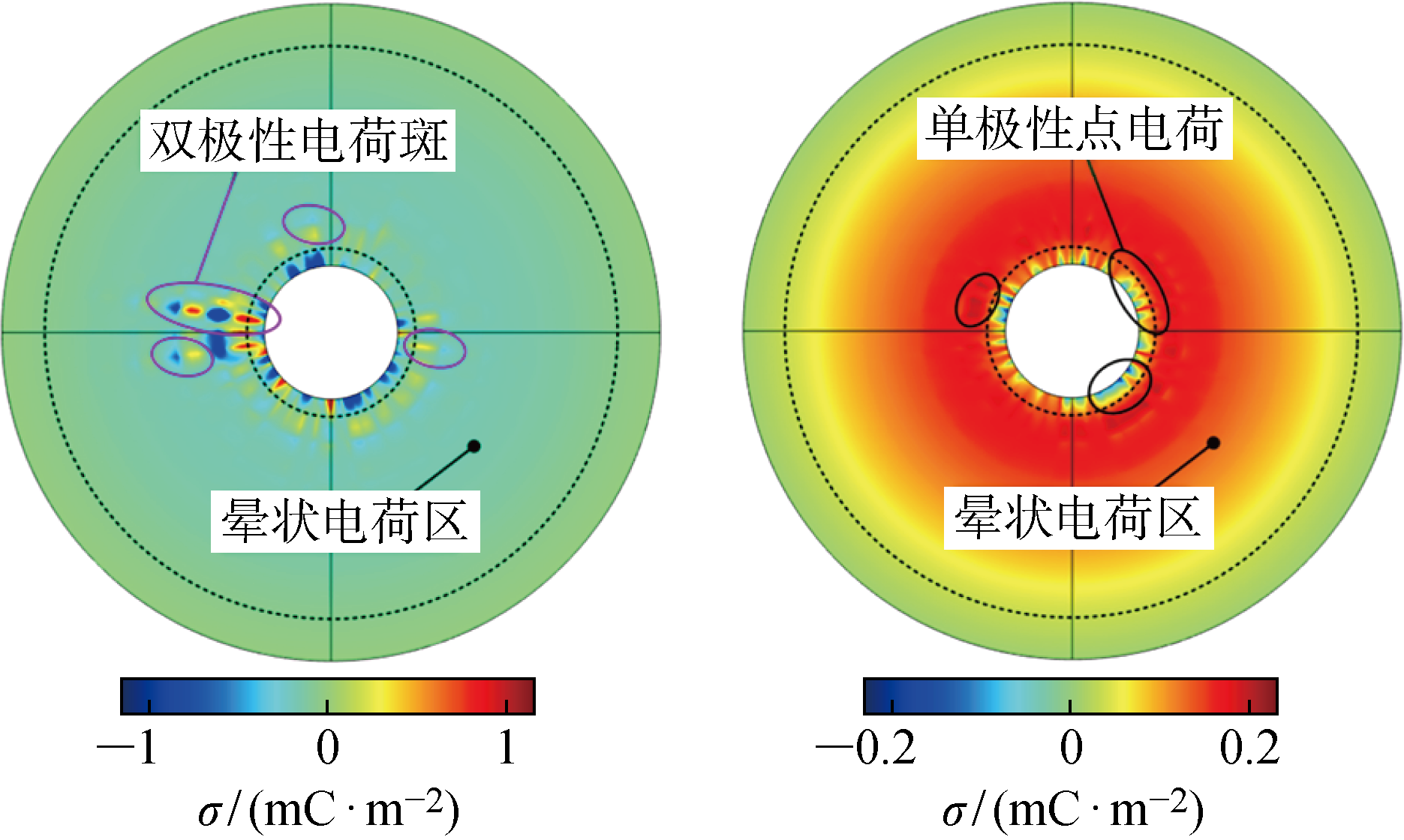
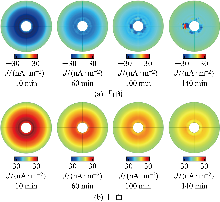
Fig.7
Evolution of gas-phase current density distribution on insulator surface dominated by gas-phase charges
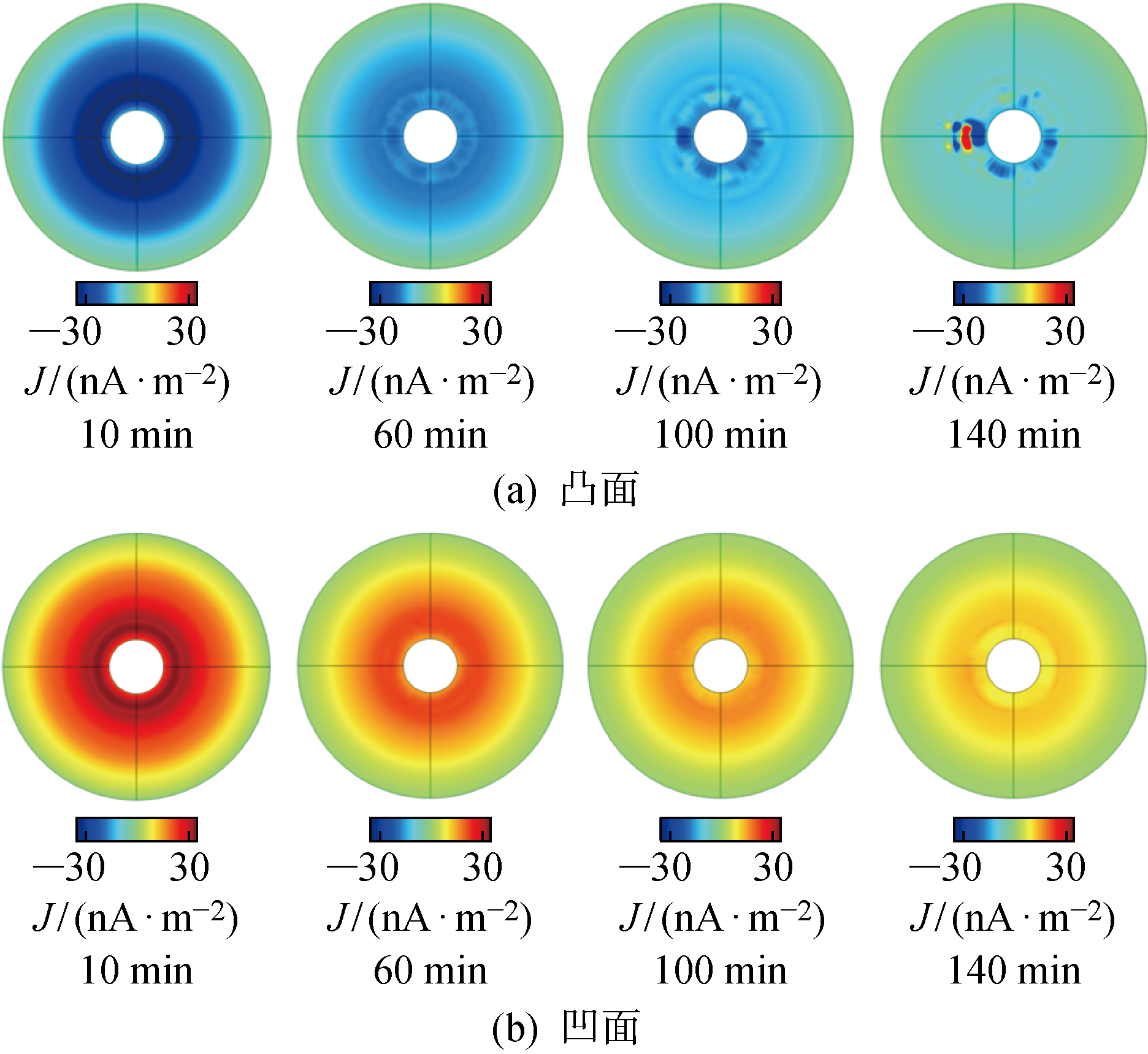
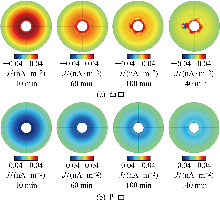
Fig.8
Evolution of solid-phase current density distribution on insulator surface dominated by gas-phase charges
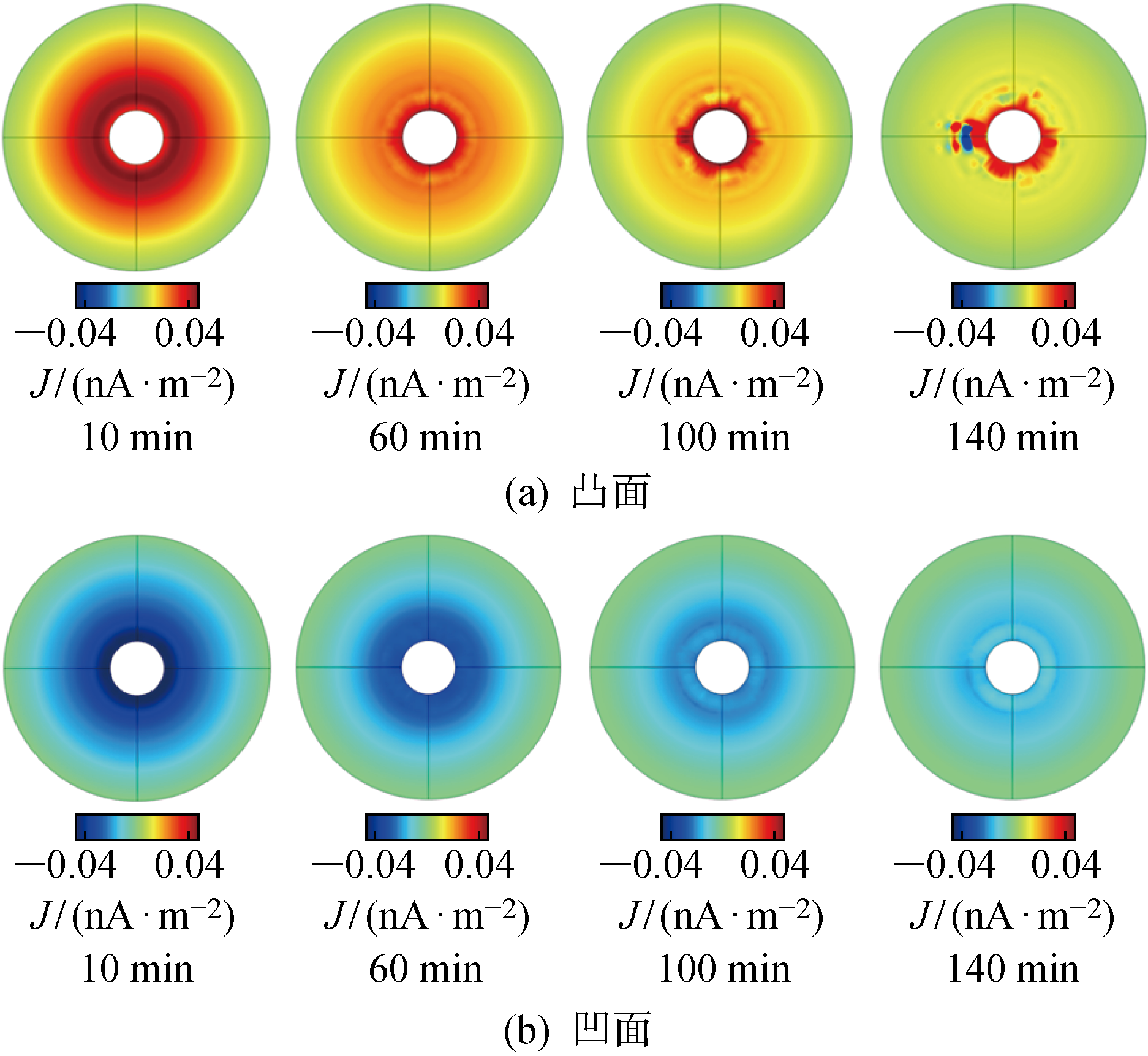
Fig.9
Full-cycle evolutionary process of a speckle charge
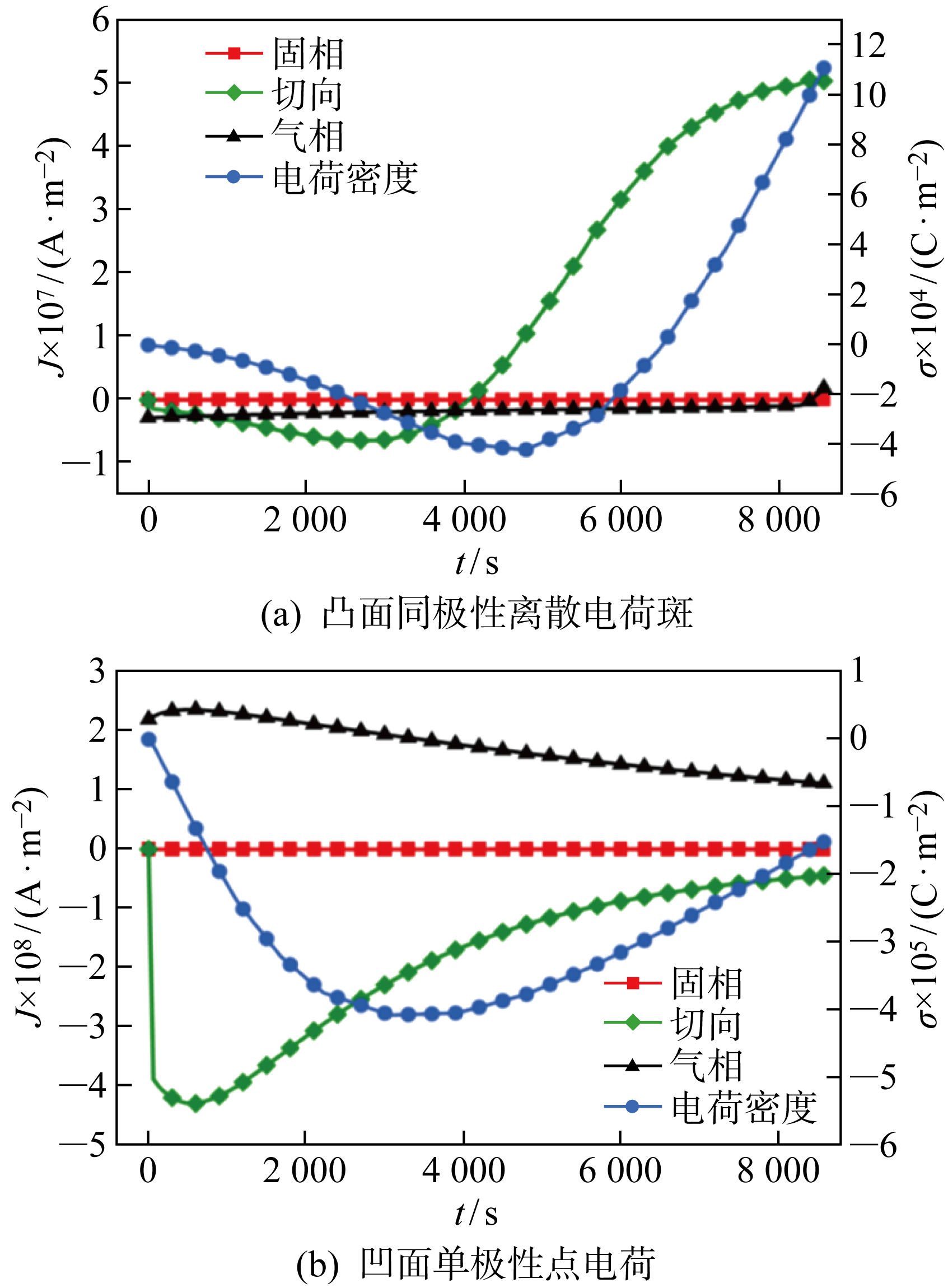
Fig.10
Evolution of electric field in a GIL system dominated by solid-phase charges
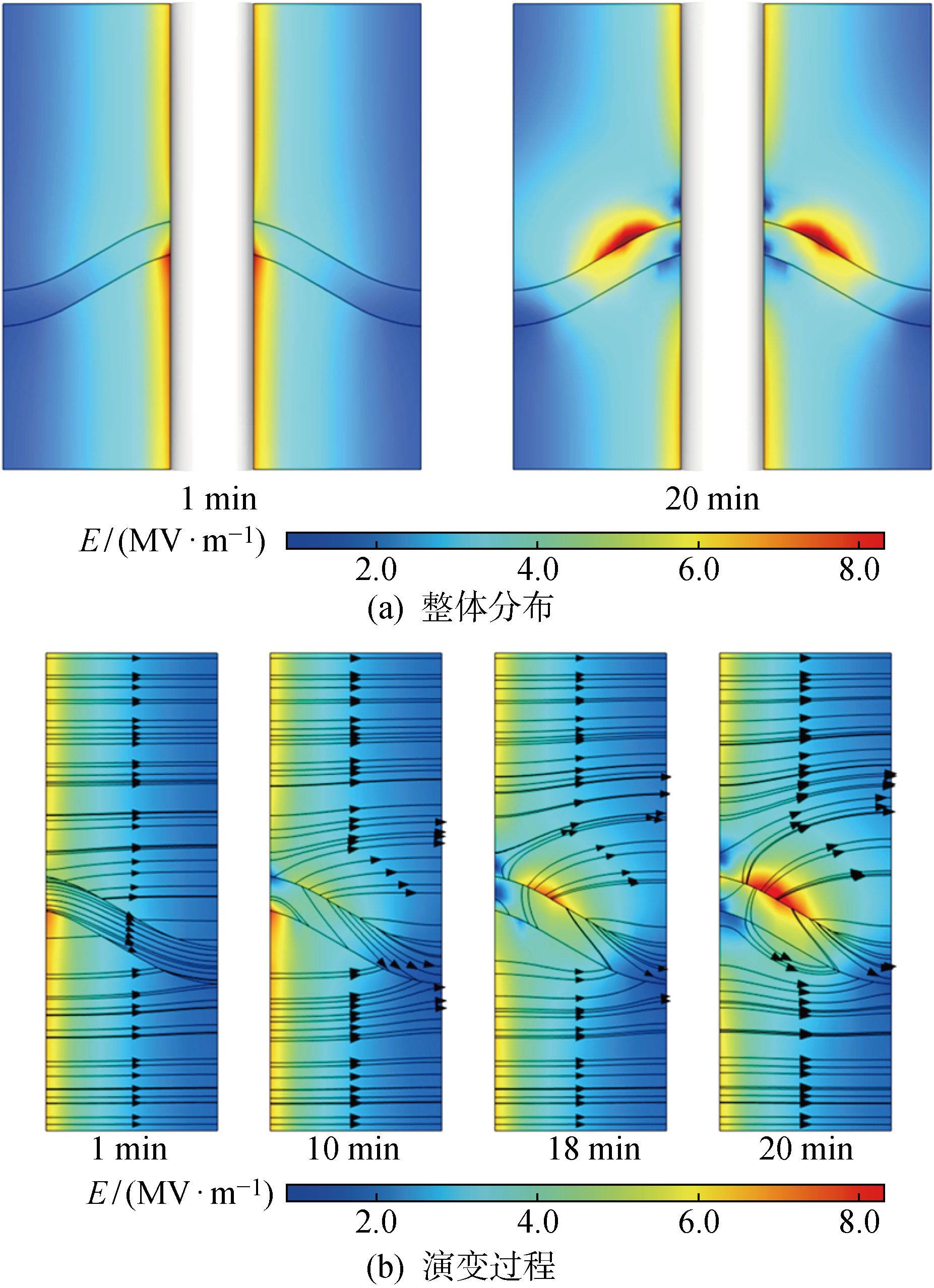
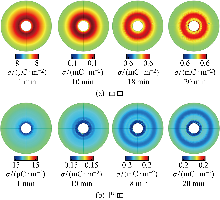
Fig.11
Evolution of charge on insulator surface dominated by solid-phase charges
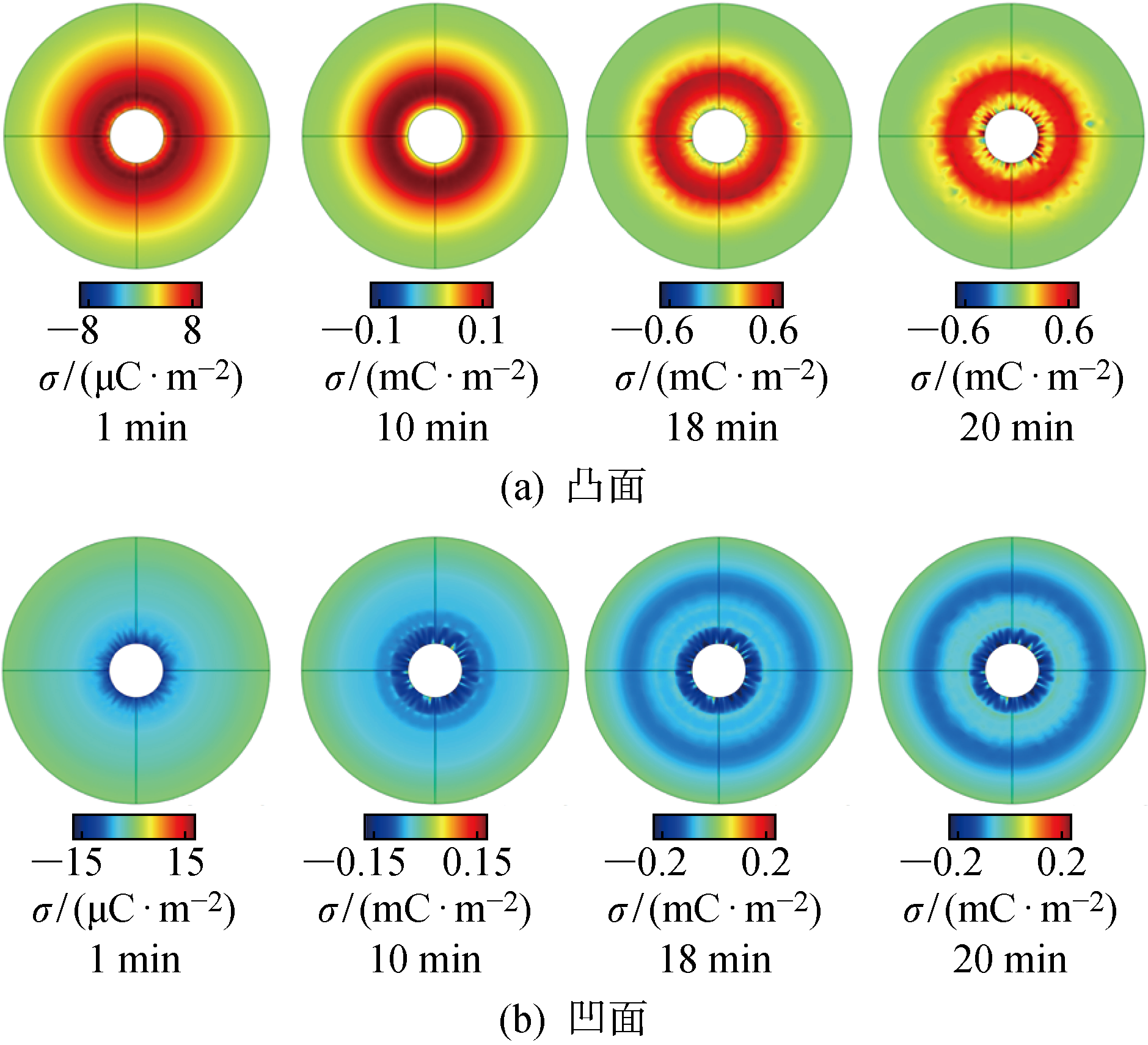
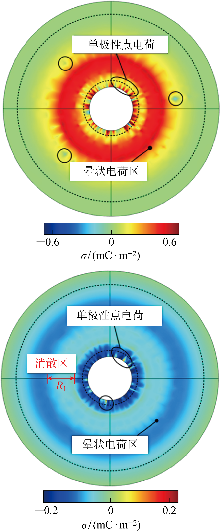
Fig.12
Charge accumulation pattern under domination of solid-phase charges
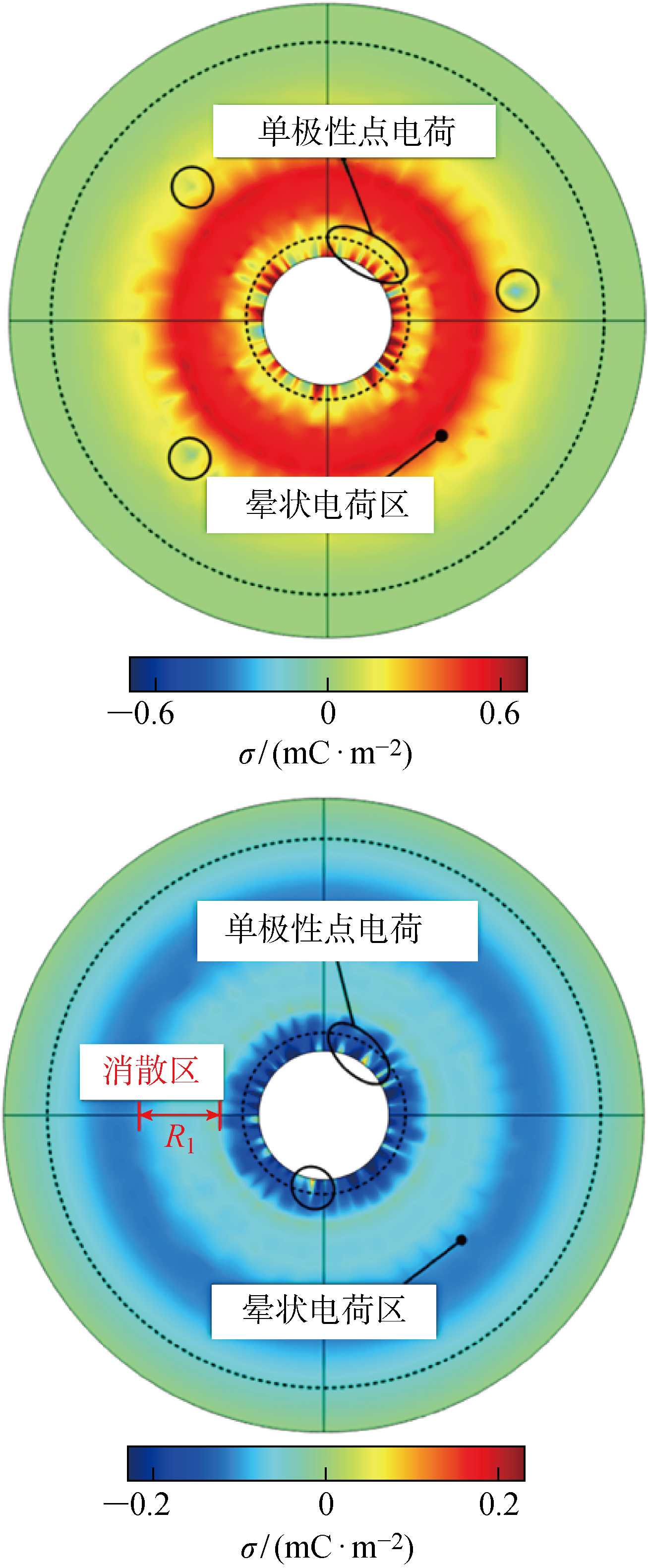
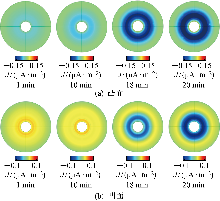
Fig.13
Evolution of gas-phase current density distribution on insulator surface dominated by solid-phase charges
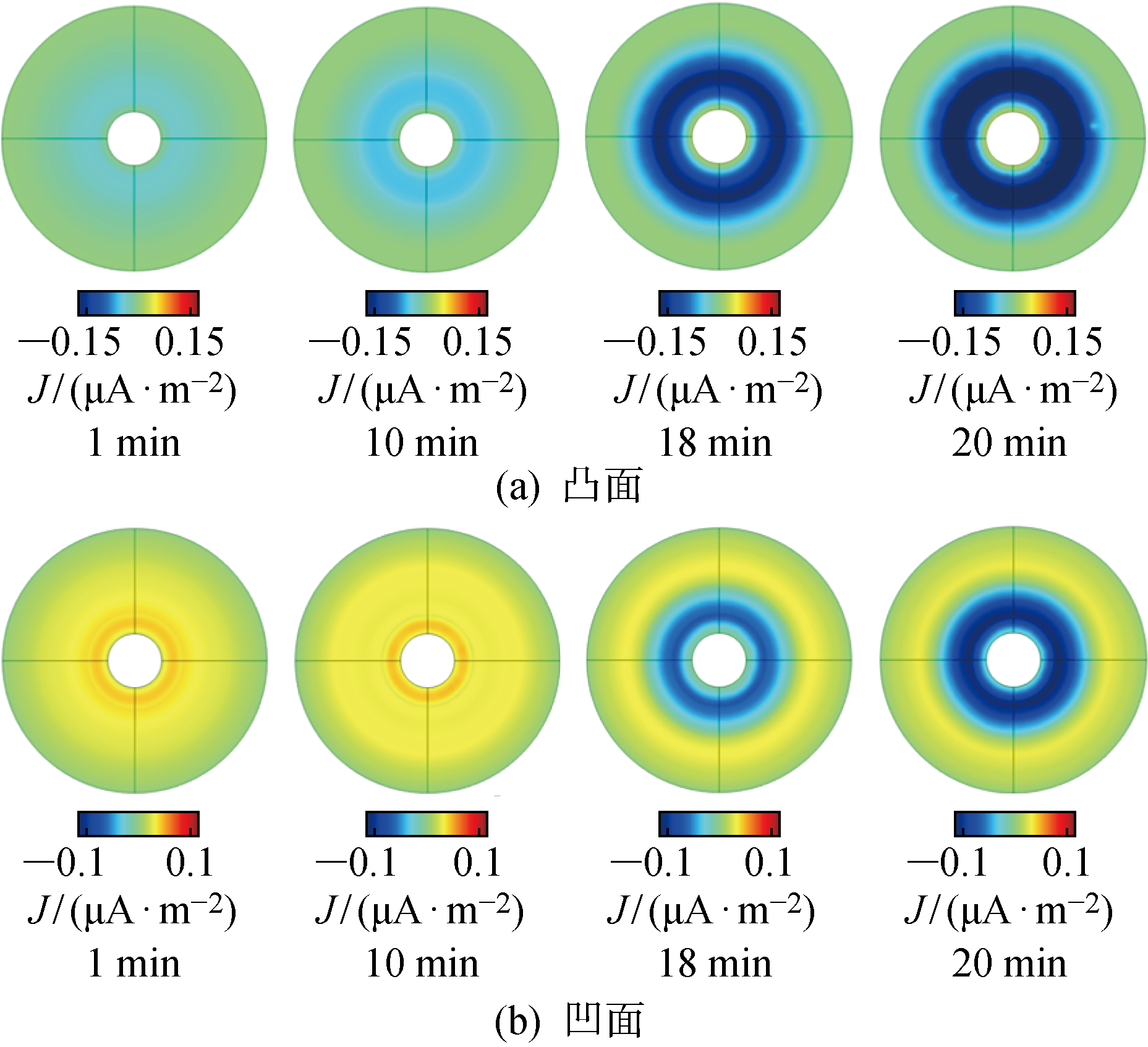
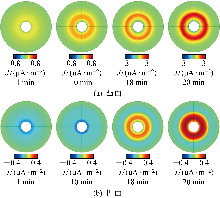
Fig.14
Evolution of solid-phase current density distribution on insulator surface dominated by solid-phase charges
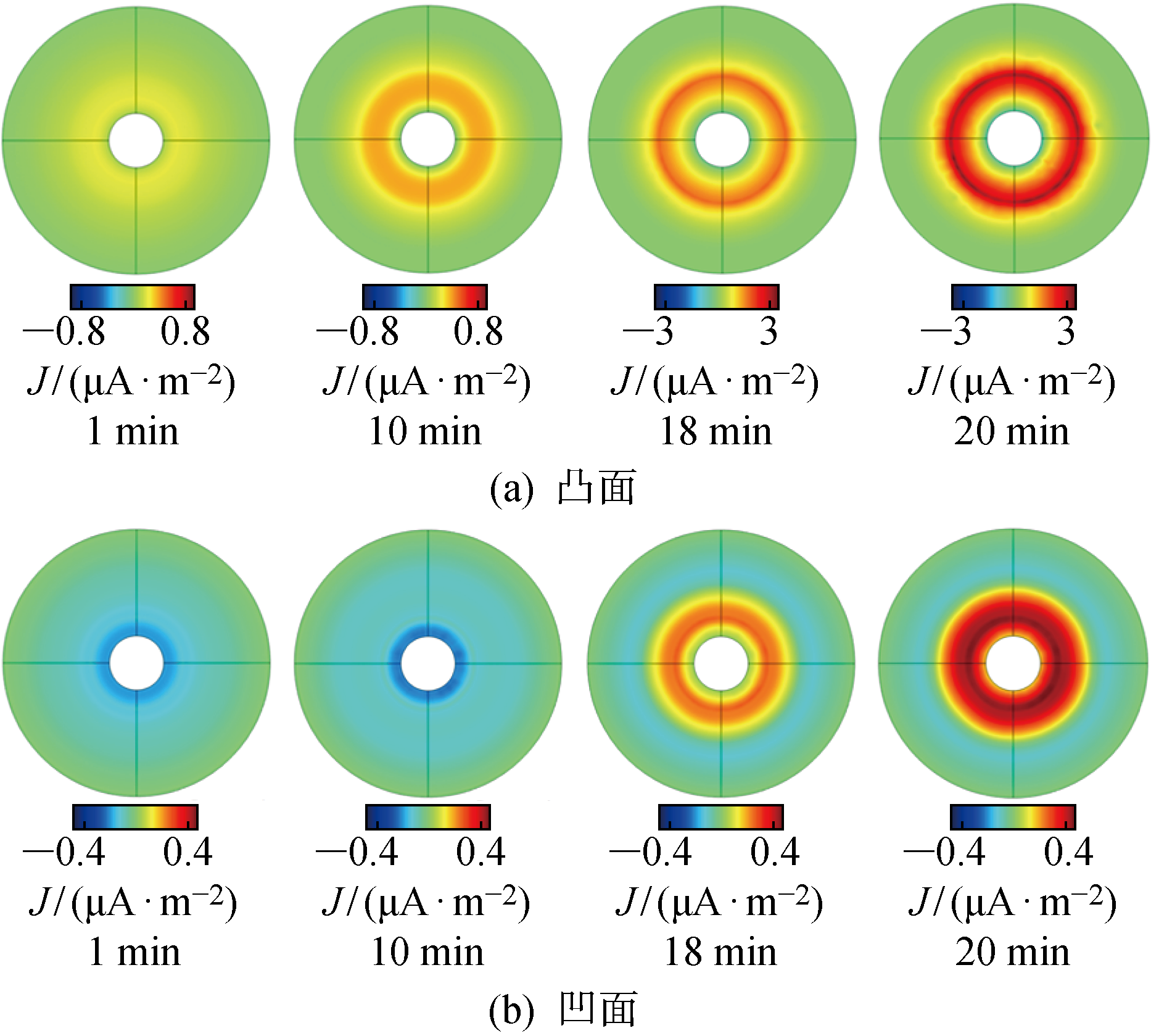
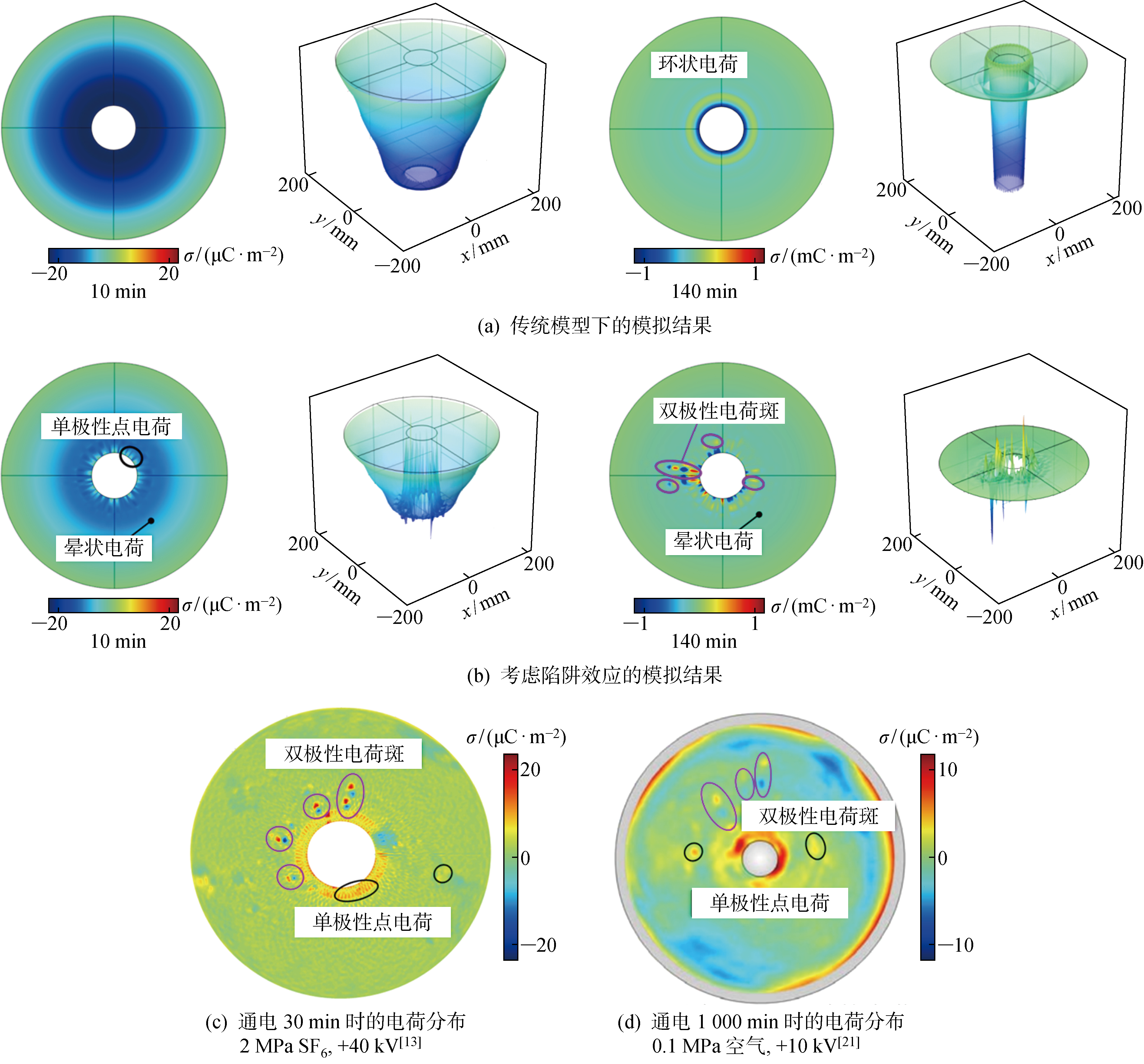
Fig.15
Comparison between simulation results and experimental[13,21] phenomena
| [1] |
胡宏, 陈新仪, 王利峰, 等. 面向新型电力系统的华东电网运行备用体系构建方法[J]. 上海交通大学学报, 2021, 55(12): 1640-1649.
doi: 10.16183/j.cnki.jsjtu.2021.273 |
| HU Hong, CHEN Xinyi, WANG Lifeng, et al. Construction method of an operating reserve system for East China power grid oriented to new power systems[J]. Journal of Shanghai Jiao Tong University, 2021, 55(12): 1640-1649. | |
| [2] | 李惠玲, 王曦, 高剑, 等. 新型电力系统背景下西部送端直流电网方案构建[J]. 中国电力, 2023, 56(5): 12-21. |
| LI Huiling, WANG Xi, GAO Jian, et al. Scheme construction for sending end DC grids in Western China under the background of new power system[J]. Electric Power, 2023, 56(5): 12-21. | |
| [3] | 花秀峰, 李婉莹, 富丽娟, 等. 省域新能源与电网发展差异的时空格局演变[J]. 广东电力, 2023, 36(2): 33-41. |
| HUA Xiufeng, LI Wanying, FU Lijuan, et al. Temporal and spatial pattern evolution of provincial new energy and power grid development differences[J]. Guangdong Electric Power, 2023, 36(2): 33-41. | |
| [4] | LI C Y, ZHANG C H, LV J Z, et al. China’s 10-year progress in DC gas-insulated equipment: From basic research to industry perspective[J]. iEnergy, 2022, 1(4): 400-433. |
| [5] |
张鹏飞, 徐静怡, 郭巍, 等. 粤港澳大湾区电力系统低碳转型[J]. 上海交通大学学报, 2022, 56(3): 293-302.
doi: 10.16183/j.cnki.jsjtu.2021.436 |
| ZHANG Pengfei, XU Jingyi, GUO Wei, et al. Low-carbon transformation of the power system in the Guangdong-Hong Kong-Macao greater bay area[J]. Journal of Shanghai Jiao Tong University, 2022, 56(3): 293-302. | |
| [6] | XUE J Y, ZHANG Z, LI B B, et al. Temperature-dependent adaptive conductivity coating for surface charge release and electric field control under electro-thermal coupling field[J]. High Voltage, 2023: 1-11. |
| [7] | 王哲铭, 潘越, 张磊, 等. 直流GIL气-固界面电荷调控的影响因素分析[J]. 中国电机工程学报, 2021, 41(20): 7177-7192. |
| WANG Zheming, PAN Yue, ZHANG Lei, et al. Analysis of the factors influencing charge regulation at the gas-solid interface of DC GIL[J]. Proceedings of the CSEE, 2021, 41(20): 7177-7192. | |
| [8] |
黄远明, 张玉欣, 夏赞阳, 等. 考虑需求响应资源和储能容量价值的新型电力系统电源规划方法[J]. 上海交通大学学报, 2023, 57(4): 432-441.
doi: 10.16183/j.cnki.jsjtu.2021.477 |
| HUANG Yuanming, ZHANG Yuxin, XIA Zanyang, et al. Power system planning considering demand response resources and capacity value of energy storage[J]. Journal of Shanghai Jiao Tong University, 2023, 57(4): 432-441. | |
| [9] | LI C Y, LIN C J, CHEN G, et al. Field-dependent charging phenomenon of HVDC spacers based on dominant charge behaviors[J]. Applied Physics Letters, 2019, 114(20): 202904. |
| [10] | 薛建议, 王涵, 李科峰, 等. 直流GIL中盆式绝缘子表面电荷分布特性研究[J]. 中国电机工程学报, 2018, 38(20): 6164-6172. |
| XUE Jianyi, WANG Han, LI Kefeng, et al. Research on charge distribution characteristics on spacer surface in DC GIL[J]. Proceedings of the CSEE, 2018, 38(20): 6164-6172. | |
| [11] | LUTZ B, KINDERSBERGER J. Surface charge accumulation on cylindrical polymeric model insulators in air: Simulation and measurement[J]. IEEE Transactions on Dielectrics and Electrical Insulation, 2011, 18(6): 2040-2048. |
| [12] | 罗毅, 唐炬, 潘成, 等. 直流GIS/GIL盆式绝缘子表面电荷主导积聚方式的转变机理[J]. 电工技术学报, 2019, 34(23): 5039-5048. |
| LUO Yi, TANG Ji, PAN Cheng, et al. The transition mechanism of surface charge accumulation dominating way in DC GIS/GIL[J]. Transactions of China Electrotechnical Society, 2019, 34(23): 5039-5048. | |
| [13] | XUE J Y, WANG H, LIU Y Q, et al. Surface charge distribution patterns of a truncated cone-type spacer for high-voltage direct current gas-insulated metal-enclosed transmission line/gas-insulated metal-enclosed switchgear[J]. IET Science, Measurement & Technology, 2018, 12(4): 436-442. |
| [14] | 胡琦, 李庆民, 刘智鹏, 等. 基于表层梯度电导调控的直流三支柱绝缘子界面电场优化方法[J]. 电工技术学报, 2022, 37(7): 1856-1865. |
| HU Qi, LI Qingmin, LIU Zhipeng, et al. Interfacial electric field optimization of DC tri-post insulator based on gradient surface conductance regulation[J]. Transactions of China Electrotechnical Society, 2022, 37(7): 1856-1865. | |
| [15] | 李进, 张程, 杜伯学, 等. 直流GIL用非线性电导环氧绝缘子电场仿真[J]. 高电压技术, 2019, 45(4): 1056-1063. |
| LI Jin, ZHANG Cheng, DU Boxue, et al. Electrical field simulation of epoxy spacer with nonlinear conductivity for DC GIL[J]. High Voltage Engineering, 2019, 45(4): 1056-1063. | |
| [16] | LI C Y, ZHANG L, WANG Y, et al. Conductor surface roughness-dependent gas conduction process for HVDC GIL—Part II: Experiment[J]. IEEE Transactions on Dielectrics & Electrical Insulation, 2021, 28(3): 988-995. |
| [17] | LUO Y, TANG J, PAN Z J, et al. How temperature and pressure affect the electric field distribution in HVDC GIS/GIL: A numerical study[J]. IEEE Transactions on Dielectrics & Electrical Insulation, 2021, 28(4): 1334-1342. |
| [18] | 晏武, 张周胜, 邓保家, 等. 温度和正极性电压对直流GIL盆式绝缘子表面电荷积聚的影响[J]. 高电压技术, 2019, 45(12): 3889-3897. |
| YAN Wu, ZHANG Zhousheng, DENG Baojia, et al. Influence of temperature and positive voltage on surface charge accumulation for the disc insulator of GIL under DC voltage[J]. High Voltage Engineering, 2019, 45(12): 3889-3897. | |
| [19] | SHIMAKAWA H, SATO M, KUMADA A, et al. Temperature dependence of surface charge accumulation on DC-GIS insulating spacer[J]. IEEE Transactions on Power Delivery, 2022, 37(6): 4539-4547. |
| [20] | IWABUCHI H, MATSUOKA S, KUMADA A, et al. Influence of tiny metal particles on charge accumulation phenomena of GIS model spacer in high-pressure SF6 gas[J]. IEEE Transactions on Dielectrics & Electrical Insulation, 2013, 20(5): 1895-1901. |
| [21] | ZHANG B Y, QI Z, ZHANG G X. Charge accumulation patterns on spacer surface in HVDC gas-insulated system: Dominant uniform charging and random charge speckles[J]. IEEE Transactions on Dielectrics & Electrical Insulation, 2017, 24(2): 1229-1238. |
| [22] | QI B, GAO C J, LIU S, et al. Surface charge distribution on GIS insulator under DC/AC voltage[J]. IEEE Transactions on Dielectrics & Electrical Insulation, 2017, 24(5): 3173-3181. |
| [23] | 陈韵中, 蔡姝娆, 闵道敏, 等. 环氧介质与SF6气体的气固耦合沿面闪络与失效概率分布特性仿真研究[J]. 中国电机工程学报, 2022, 42(16): 6145-6154. |
| CHEN Yunzhong, CAI Shurao, MIN Daomin, et al. Simulation on gas solid coupling surface flashover and failure probability distribution between epoxy resin and SF6[J]. Proceedings of the CSEE, 2022, 42(16): 6145-6154. | |
| [24] | WANG Y G, WANG Z M, ZHAO W B, et al. Competitive effect of charge injection on surface charge accumulation of the DC GIL insulator: A numerical study[J]. IEEE Transactions on Dielectrics & Electrical Insulation, 2022, 29(6): 2320-2329. |
| [25] | 庞曦, 许天蕾, 刘鹏. 考虑温度梯度的高压直流GIL盆式绝缘子空间电荷仿真[J]. 高电压技术, 2023: 1-12. |
| PANG Xi, XU Tianlei, LIU Peng, et al. Space charge simulation for basin insulator of high voltage DC GIL under temperature gradient[J]. High Voltage Engineering, 2023: 1-12. | |
| [26] | LI Z, MIN D M, NIU H, et al. Simulation of DC surface flashover of epoxy composites in compressed nitrogen[J]. Journal of Applied Physics, 2021, 130(5): 053301. |
| [27] | REN H W, LI Q M, LI C Q, et al. Numerical simulation of the space charge accumulation inside solid insulation subjected to special polarization conditions[J]. Physica Scripta, 2020, 95(4): 045807. |
| [28] | 蔡新景, 王新新, 邹晓兵, 等. 基于Helmholtz模型的流注放电过程光电离快速计算[J]. 中国电机工程学报, 2015, 35(1): 240-246. |
| CAI Xinjing, WANG Xinxin, ZOU Xiaobing, et al. Fast computation of photoionization in streamer discharges based on Helmholtz model[J]. Proceedings of the CSEE, 2015, 35(1): 240-246. | |
| [29] | 李元, 穆海宝, 邓军波, 等. 正极性纳秒脉冲电压下变压器油中流注放电仿真研究[J]. 物理学报, 2013, 62(12): 124703. |
| LI Yuan, MU Haibao, DENG Junbo, et al. Simulational study on streamer discharge in transformer oil under positive nanosecond pulse voltage[J]. Acta Physica Sinica, 2013, 62(12): 124703. |
| No related articles found! |
| Viewed | ||||||
|
Full text |
|
|||||
|
Abstract |
|
|||||
